Dark Days

Content warning: still about terminal cancer.

The dark is getting to me this year—persistent, cold, bitter. But, I’ll be damned if I let it stop me. One thing I know about the dark, is it must be faced. Not feared. Not ignored. Not fought. Not run from. And, for goodness sake, not given into.

That’s my weakness—giving in. I’m captivated by the dark. The stars, that milky stroke across the sky, the fleeting shadows, and the mystery draw me in. I could easily fall into the dark and let it consume me. Indeed, for much of the last four years I’ve had to hide in the dark to protect my skin, sanity, and immune system—staying away from sun and people.

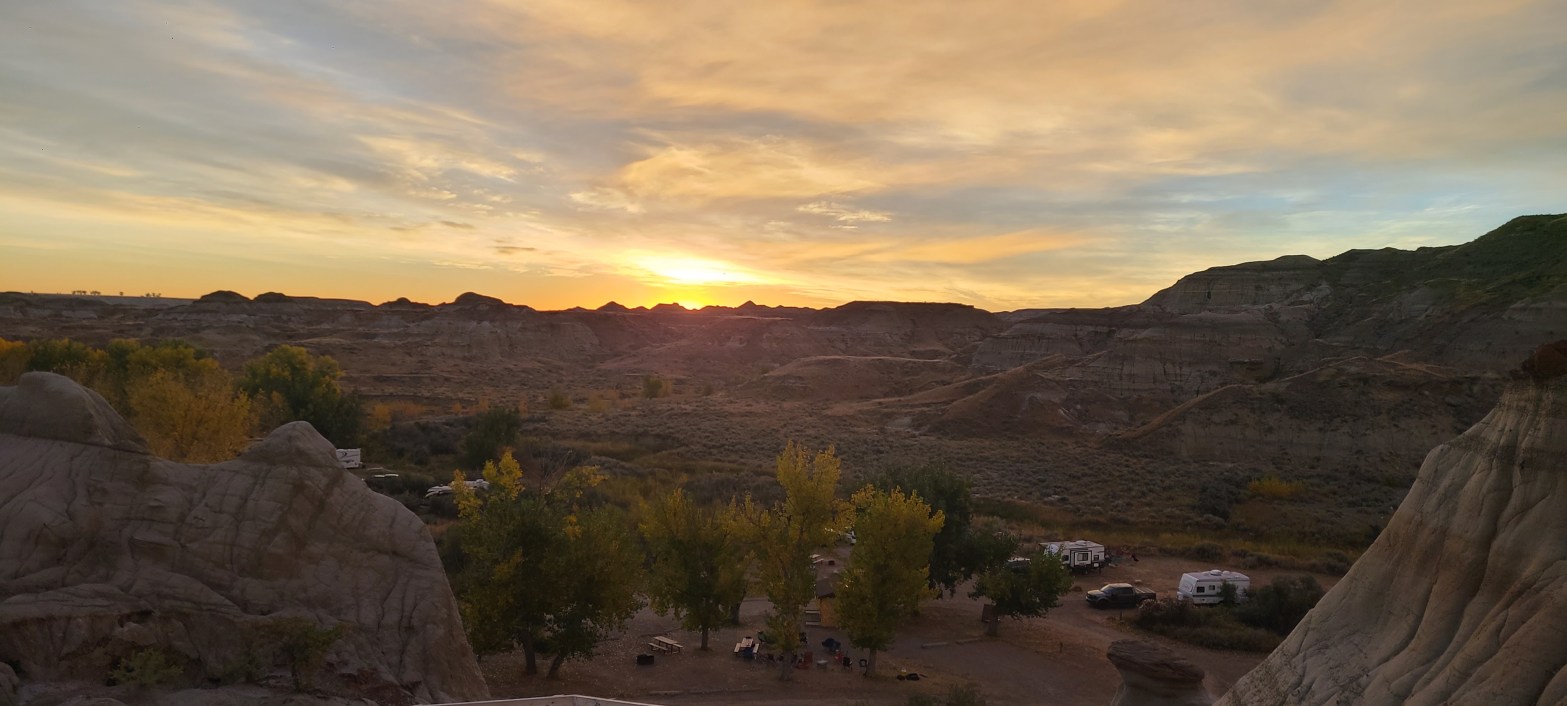
Rod and I went to Dinosaur Provincial Park in September.

A month ago, I sat in my doctor’s office and tears trickled down my cheeks, my breath caught in my throat, and sobs rang from my chest. I held my heart like a hug—a way to comfort myself. My onocologist handed me the tissue box. I’d just been told that the treatment I’m on usually extends survival by about 10 months. It’s a hard thing to hear. I’d just turned 39 and the laughter of my best friend’s first child still rang in my ears from the day before. There’s always light in the darkness, those stars that make the shadows flicker.

It’s not easy getting bad news as the nights grow longer and days become colder. There’s fewer activities to distract me and I’m forced to stay still, to nest… and ruminate. Furthermore, my new treatment makes me quite fatigued, which suits the 16 hour-long nights, but not keeping busy. Still, I get up the next day and make a grocery list because, goodness, I’ve dealt with everything else ad nauseam.

But this is what I’m talking about. I can give in too easy. I can plan so much for darkness that may never come (some darkness always does though). But my weakness is also my strength, because I can also plan for miserable things that need to be planned for. Not that I think death is miserable or dark, per se. But, to be honest, I still like life quite a lot and want to get the full experience—the good and bad, the sublime and imperfect, the light and dark—before I become dust and soil. And, so, I am looking at options. I may be going to the States next year for treatment, if I qualify. There’s a clinical trial coming to Calgary that may be a strong option for me.

And so, I dwell in the darkness of the season, for a bit. I go for walks when the low-hanging sun hits my face. I let stars guide me to new horizons and opportunities, being ready for what may come.

Still Here

It’s hard to believe I have cancer. Four years ago I had a port implanted in my chest and started chemotherapy. Four years later, I’m still here. I’m still on chemotherapy. It still feels surreal. Nonetheless, I am here.

I joked with my dermatologist that I’ve had cancer for as long as it takes to do an undergraduate degree. Although many of the feelings of grief, disbelief, wonder, and passion for living echo what I felt four years ago, there is also the journey I have been on and growth I have had in this time. Surprisingly, the hardest lessons have not been the innumerable drug names or what these drugs are doing or what all the different proteins and enzymes in my bloodwork are showing. The hardest lessons are what I’ve learned about cancer and the profound impacts of ableism on us—all of us. To this latter point, I’ll say that I still struggle with the ableist notions from which my understanding of the world grew, but I’m improving.

I’ve touched on my ableist belief system and my relationship with wellness culture before in my writing. Ableism is so ubiquitous and entrenched in society that it is a hard to shake. However, I’m becoming more adept at spotting ableist ideas and phrases now. This practice of spotting has allowed me to deepen my imagining of a world that’s possible if we treated disability differently.

I have much work to do toward this imagining. First, I must stop blaming myself for cancer. At least weekly, I see a post on social media or read an article or overhear a conversation where the individual with cancer is blamed for their cancer or rewarded for their remission: “if only they had been more healthy…”, “if only they had eaten better…”, “if only they had decided to do a complete 180 on their life to fight cancer…”. I understand how blame—or, to say it more gently, a cause and effect story—can give a sense of control and safety. And while I often think of myself as someone who is able to dwell in uncertainty, it is a draining practice. And so, I resort to ableism and the blaming of my imperfect body and my imperfect will: for skipping a workout, or eating a slice of cake, or staying out late for a few more songs to dance to.

I imagine, in a less ableist world, we see more grey areas—the magic in the liminal spaces—and are able to dwell in that uncertainty. We are not afraid of the vast differences in bodies and minds, allowing us to be gentler with “imperfections.” Perhaps we don’t use the words ‘perfection’ or ‘imperfection’ anymore. Perhaps, as our need for control gently dissolves, we see our connections to one another rather than the us-versus-them that’s awakened by fear and blame. Perhaps we feel our shared responsibility to care for our collective wellbeing. Cancer is not caused or reversed or worsened by the sole actions of an individual—it takes a community. It really does. And I am so thankful for mine.

For those who have stuck with me, thank you. Enough philosophizing; here’s an update of happenings since my last post to this site: I completed my creative writing certificate from the University of Calgary and am continuing to create and submit words. I pursued a liver transplant, but have decided that it is not right for me at this time. This is a tough decision to make; liver transplants do offer some patients many years of survival. However, recurrence rates are high (in my opinion), the surgery is risky, and I’d have more chronic health issues to manage for the rest of my life. I continued the chemotherapy treatment that caused skin irritation until June, at which point my health team and I decided it best to look at other treatments. Now, I am back on the chemotherapy regimen I had four years ago, with the hopes that it will be as effective as it was then and that the associated neuropathy holds off for a while. I also went to Iceland with my friend in March, which was an extraordinary adventure to an absolutely unique place. While travel was stressful for me, I somehow managed not to get sick and enjoy much of Icelandic culture and scenery.

I’m looking forward to the rest of 2025 and to being able to enjoy the outdoors a bit more now that my skin is not as sensitive to the sun. I’ll continue to write and learn (for another four years, at least, hopefully). And I’m continuing to look for emerging cancer treatments that might work for me; there are some promising therapies on the way to Canada, so stay tuned.

It’s hard to believe this is my life. It’s hard to accept my illness. But I’m getting better at that too!

References

Lorde, Audre. The cancer journals. Penguin, 2020.

Colorectal Cancer Awareness Month: My Story and Advice

It’s colorectal cancer awareness month. I haven’t “celebrated” this month in the past as I’ve been dealing with resentment and anger that held me back from believing anything could be done. But I’ve done a lot of work and feel ready to share my journey in hopes that it may help others.

My most significant barrier in this journey was getting the testing I needed. I want to encourage people, especially young people, to advocate for themselves when they have symptoms. Symptoms of colorectal cancer include unusual bowel habits, blood in stool, abdominal pain, fatigue, and unexplained weight loss (among others: https://cancer.ca/en/cancer-information/cancer-types/colorectal/signs-and-symptoms).

My first symptom was blood in my stool. I brought this concern to my family doctor who told me it was hemorrhoids without any assessment. Still concerned, I went to two walk-in clinics, but they said they were unable to order tests as I’d need follow-up that they couldn’t provide and repeated that it was probably just hemorrhoids anyway given my age and good health. I switched family doctors. My new doctor seemed unconcerned about my symptoms, repeating that I was young and healthy. In 2020, I had an episode of such painful abdominal cramps that I went to emergency. The doctor there told me it was menstrual cramps and menstrual bleeding; as a 34-year-old with ample experience of both, I knew this wasn’t the case, but because of Covid, I had no one with me to deny this, and I was in too much pain at the time to speak up. I followed up with my family doctor and was referred for a colonoscopy; I was put on the non-urgent list.

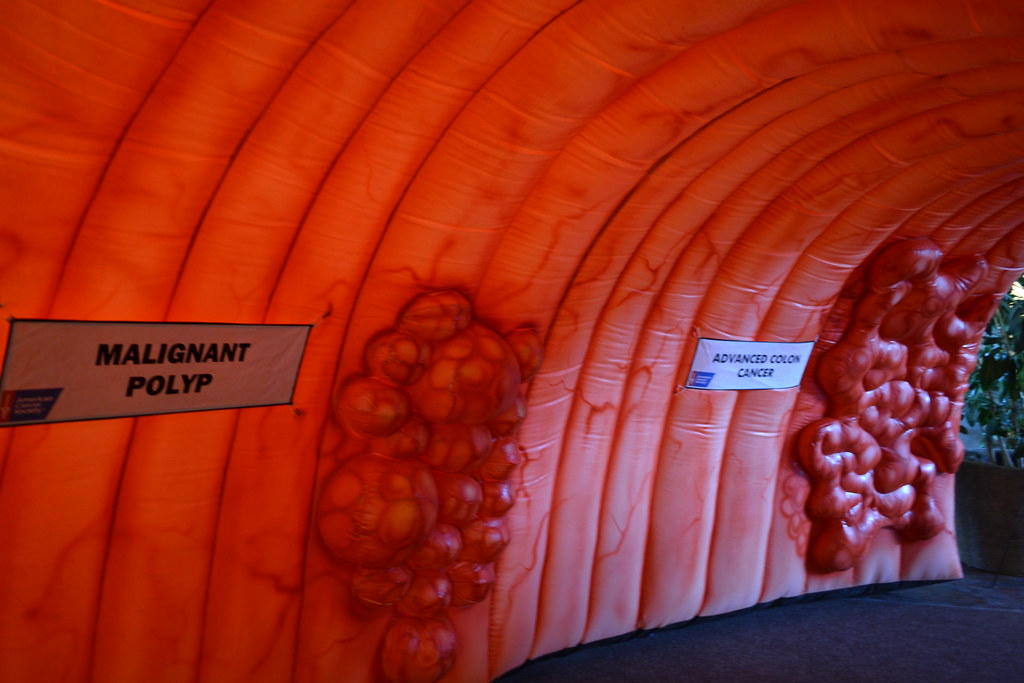
A large-scale colon showing a small growth labeled malignant polyp and a larger growth labeled advanced colon cancer
The epic inflatable colon courtesy A Healthier Michigan/flickr

What is described above, unfortunately, is all too common of a story for young people. By the summer of 2021, I felt sick constantly, had trouble eating, experienced poor bowel habits, and always felt exhausted. I went to the emergency again and was told I had to pick one thing that was bothering me, which at the time was my chest (it turned out the metastasis in my liver was pushing on my lungs and causing pain). The x-ray showed spots on my liver. They didn’t say cancer, but I knew this wasn’t good. My family doctor followed up the next day and changed my colonoscopy order to urgent. And that’s how this whole journey began.

I do not want other people to go through this. If I could make one suggestion that would have helped me, it would be to bring people with you to appointments! Tell your supporter what concerns you and ask for their help pushing back. I’ve been a very independent person for much of my life, but I found it difficult when I was in pain to speak up. Not only that, but it was hard for me to admit that something could be wrong despite knowing that early cancer detection leads to better outcomes.

One thing that constantly tripped me up was being “healthy.” I can’t count the number of times doctors would ask me, “Are you healthy?” What does that even mean? I’ve placed a high value on health since I was a teenager. Being a competitive swimmer, outdoorsy person, and diabetic made me learn how to take care of myself. Sure, I sometimes went too far, but I’ve always prided myself on healthy habits. It was this pride that ultimately made me believe doctors when they assured me that someone healthy like me wouldn’t have something like cancer! Since then, I’ve discovered lots of healthy people get cancer: marathon runners, weight lifters, and regular people with great routines. There are many pathways and variations to colon cancer and any cancer.

I have heard friends say that they don’t see a point in being healthy if someone like me could get cancer. Well, here’s the thing: I value having the healthy habits I had before cancer. It took me a long time (42 months at least) to overcome my resentment, but here I am. For one, my healthy habits brought me benefits as I practiced them (joy, self-discovery, better emotional regulation, great poops, better blood sugar management, etc). For two, it’s been easy for me to continue these habits through treatment, which has been helpful. And for three, I believe some of my recovery and stability can be attributed to these habits.

For me, healthy habits include

  1. Maintaining a strong social network. I love my book clubs, writing groups, friend circles, and one-on-one hangs. This has become vital as I navigate cancer, yet the work I did throughout my 20s and the people who reciprocated have proven invaluable in my support network. As social media and smartphones make loneliness all the more pervasive, it is critical that we put in the effort to maintain in-person connections as much as we can.
  2. Paying attention to stress. I started a serious meditation practice around 2017. It helped me move slower and be more aware of my feelings. At the same time, I started seeing a CBT psychologist who helped me look for stress warning signs and practice emotional regulation. I’m grateful to my mom, who modelled work-life balance. Although I’m a real go-getter, I have always tried to keep work to 8 hours a day. However, my enthusiasm for life and fear of boredom cause some overcommitment issues, which I’m working on.
  3. Exercising! Exercise is one of my favourite things. I love how it makes me feel, positively affects my mood, and helps me control my blood sugar. I love going for morning jogs and discovering the places where I am (I have seen wildlife like armadillos, storks, deer, and so much more)! Morning jogs let me catch beautiful sunsets and capture the most serene moment of the day. Swimming allowed me time for quiet reflection and focus. I’ve been lucky to have wonderful ways to get to work that bring me through forests and along rivers, even if they take a bit longer.
  4. Eating whole foods. I’ve always loved cooking from scratch. I love playing with flavours and how satisfying a home-cooked meal is. I used to indulge in much more cake and candy than I do now. And I feel a lot better cutting back on those things. My tummy is a lot happier, and my energy is even. I’m hopeful my high-probiotic, high-fibre diet pre-cancer—and a bit of luck—helped my colon get back on track after surgery! Butt [sic[, you got to love your microbiomes.
  5. Taking care of my environment. Oddly, I never thought of this as a health measure. I care about the Earth, so I bought organic, local, and non-toxic products. Now that I have cancer, this comes up from time to time, and apparently what’s good for the Earth (low chemicals, low plastics, sustainable manufacturing practices) is also good for us! Go figure. It feels good to be doing something that helps the planet and us, and it’s nice that I don’t have to learn responsible purchasing habits from scratch.
  6. Living meaningfully. One thing that lifted my spirits more than anything at the time I was diagnosed was having felt I lived a good life. I chose meaningful work, made choices based on my values, strove to minimize harm, and helped where I could. I embraced life and kept an open mind to experiences, leading to a sense of fullness. Living meaningfully has made the fear of death unthinkable for me. Ever since my dad died, I have always wanted to go to sleep knowing that if I should die tomorrow, I’d have lived well.
  7. Sleeping has been the toughest thing for me. I’m still working on it, but I know it’s essential. I’ve always known sleep is important and aimed for the 7–8 hours a night, but I struggled in this hyper-lit and connected world. I have started dedicating more to a good sleep routine and love it. I feel like a regular routine and good sleep help me focus, but cancer treatment is also weird and zaps a lot of my energy. Still, I appreciate a good sleep routine.
  8. Having financial stability. This one is tough because there are so many factors that affect my financial well-being, such as my family history and support (plus a pretty good settlement after a car hit me), which I do recognize not everyone has. Still, learning good financial practices early in life, like becoming confident in budgeting and investing, has served me well and has made me less stressed in this cancer journey.

I’m sorry to say that these habits won’t definitely prevent cancer. But, I do think they have helped me survive through cancer. I have resented this, and I have resented that I didn’t get to undergo some miraculous lifestyle change that somehow reversed my cancer; I don’t even know if I believe that is possible without modern medicine.

Nonetheless, the benefits of healthy living are vast, and I’d encourage everyone to try out one or two this year. And advocate for testing!!!

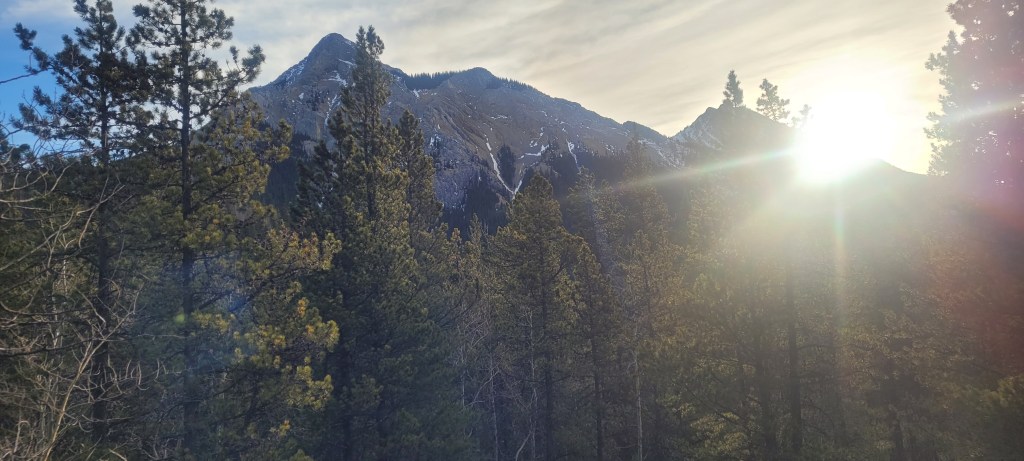
A photo of the sun peeking over the mountains with pine trees in the foreground.
Oh yeah, and getting outside is really nice!

Good Work

[All the ancient wisdom] tells us that work is necessary to us, as much a part of our condition as mortality; that good work is our salvation and our joy; that shoddy or dishonest or self-serving work is our curse and our doom.

― Wendell Berry, The Unsettling of America

By many accounts, I’ve had a productive year. I don’t know how to feel about this. Since my cancer diagnosis, I sought to find value in myself without the badge of outward accomplishments. At one point, my therapist told me, “You are a human being first, not a human doing.” Yet, I am writing a year-end wrap-up highlighting the launch of three projects in which I played significant roles. Not to mention, I had my first piece of creative writing published in Wishbone Words, Issue 14.

Spiritual thinkers like Wendell Berry and Thich Nhat Hanh offer wisdom to this question I pose to myself about productivity. Both saw value in good work. That’s the work I hope I did this year: Work that was honest, compassionate, and helped my community.

It feels strange to be busy while going to chemo every two weeks and managing the strain of type 1 diabetes while my endocrine system acts up—perhaps from steroids, perhaps from the strains of chemo. It is not easy, and it means having to be very intentional about my work. Like many disabled people, I find myself on the fringes of work—needing work that allows me the time I need for self-care and prioritizing my needs.

Unfortunately, I decided to depart from my pre-cancer career. I couldn’t do it when extreme medical side effects made it difficult to show up in an office and commit to five hours of solid work. I loved the routine and the connections with people that I gained by returning to work, and the project I was working on was interesting. However, I also realized how my priorities have changed in the past three years of treatment. Nonetheless, it was an honour to contribute to Quantum Sandbox 2.0.

From home, I helped with two community projects this year: The ElevateUP Career Mentorship Program with The Dollar Detectives and Imagine—Reshaping Adolescent and Young Adult Cancer Care Through Immersive Experience with Anew Research Collaborative. These projects were filled with incredible learning about community engagement and leadership. I feel honoured to have seen these projects flourish alongside the dozens of co-creators and collaborators.

In this community spirit, I recognize how different each of us is. How meaningful, honest, and compassionate work looks different for everyone. I saw how our ability to work—or not—does not diminish our basic humanity and right to live a joyful life, and how society’s view of productivity is not a measure of our worth. I am thankful to my friends who show up in many ways: compassionately, joyfully, and in service to their families and communities. It is so beautiful to watch the diversity of ways we do the good, necessary work—even and especially when it doesn’t fit society’s definition.

Thank you, my friends, new and old!

Do not live with a vocation that is harmful to humans and nature. Do not invest in companies that deprive others of their chance to live. Select a vocation that helps realize your ideal of compassion.

― Thich Nhat Hanh, The Fourteen Precepts of Engaged Buddhism

Quotes:

Berry, Wendell. The unsettling of America: Culture & agriculture. Catapult, 2015.

Hanh, Thich Nhat. “The Fourteen Precepts of Engaged Buddhism.” Social Policy 33, no. 1 (2002).

The New Year and Now

December had been coming to a close with a glow of optimism. In the final weeks of 2024, I had a CT and MRI scan. I expected good results, given that September’s tests showed an excellent response to the new drugs I was on. My continued skin problems should have been a sign that the drugs were working on my tumours as much as they were irritating my skin. As you might detect in my wording here, the scans were not great, but not terrible. Heck, maybe they’re better than I’m giving them credit for. The lesions in my liver remain the same size as they were in September, which means I probably won’t qualify for surgery and that I may need to move onto another treatment path (or not) yet again. This isn’t uncommon, but it still sucks. In particular, the ongoing uncertainty sucks.

With this news, the new year didn’t have the “turning a new page” glow that I often experience around this time.

After ringing in two new years while on chemo and having been in treatment for so long, the fascination with it all–which gave some excitement to the otherwise horrendous experience–has largely faded into the dull hum of life. (This is part of the reason I don’t post as much anymore). I’ve gotten so much bloodwork and so many scans that they all feel mundane. One pathetic highlight of the last year was finding free parking near the hospital, which also provides a rather scenic and peaceful walk before appointments.

It feels like I’ll be on this journey forever, and I don’t know what that means or looks like.

Although uncertainty about the future is a fact of all our lives, going into 2024 feels like a particularly unwelcome point of uncertainty for me. I still look forward to the fruition of some projects, but I worry about my ability to be fully present. I expect myself to be the person I was before diagnosis, which just isn’t the case anymore. I have chosen projects that give me the flexibility and accommodations I need. Still, I remember when prioritizing flexible work hours and modes of work was less important. Navigating my abilities and limitations makes everything more complicated.

I try to find grounding, joy, and hope, but sometimes the ominous grey clouds do not clear as readily.

I am frustrated by the slow pace at which I operate. For one, treatments put me out for a few days, followed by a few more slow days as I recover my energy. I have so many healthcare appointments to manage. My mental ability is hit or miss; I find myself forgetting a lot more and finding it hard to focus for extended periods of time. I lose words. I become overwhelmed with how best to take care of myself. I worry about people noticing my difficulty forming and expressing coherent thoughts.

I’m practicing several ways to cope, and I am grateful for a younger version of myself who developed many healthy strategies.

Photo by Kym MacKinnon on Unsplash

Of all the healthy routines I’ve practiced, I’ve always struggled with enjoying the present moment. A moment can be a fraction of a second or extend over millennia. The past and future press into even the most minuscule moment, shaping it. I can’t divorce the history of my body and surroundings from the millisecond I reside in, the present. Likewise, although in a more obscured way, I am aware of the buzzing of the future that my body enters and builds from this moment. For these reasons, I struggle to find presence.

Is the present a tiny speck in the universe of time? By the time I register what my senses perceive, the present is past, and I am catapulted against the portal to the future.

I am working on being present. That’s the most sure thing I can lay down for 2024. I don’t know where my health journey will take me, but the projects I’m working on are full of possibilities, and I look forward to them taking their shape. For me, I’ll be sitting in the present each day and trying to sense its fullness. Maybe this year, I’ll find it.

Winter Solstice

The longest night is approaching for those of us who reside in the northern hemisphere. After the winter solstice, we will begin our journey of turning closer to the sun once again. I’m sure many are looking forward to more light and longer days. But there are also special opportunities that come with the long nights (back to that in a second).

The waning of sunny hours has been difficult, bringing with it seasonal malaise and melancholy. The body longs to nest and sleep, but the deadlines of year-end and holiday stresses do not allow us to follow circadian inclinations, nor allow us to truly savour the community warmth and signs of life we crave. Perhaps, after the fires are lit, food is baked, and tea is steeped, there will be time to nestle into a blanket in the cozy company of others.

The opportunities to be near others, rest, and dream are important. Dreaming, in particular, is a chance to process and internalize memories as well as create and envision something new from the embers of the past. (Isn’t dreaming fascinating?) I love taking time during these long nights to reflect on the year and set plans for the new one.

Over the last year, my hope and optimism has continued to flourish despite the escalating tragedies around the world. I am finding and continuing to nurture the relationships with the many lovely people in my life who are infusing the world with good. I don’t know if I tell you, my friends, how valuable and important you are to this planet, but I think it every day and it gives me so much hope and inspiration. Although it often feels like our influences are small, I can see the good that comes from our being together, practicing gratitude, processing our pain, sharing, shifting, changing, and acting. Even though these gatherings often focus on efforts larger than myself, they’ve been immensely helpful in keeping my personal spirits lifted and getting me out of bed each day. I am eternally grateful for my friends and community.

I’ve had twenty-one rounds of chemo this year and have one left before 2023 wraps up. When I was first diagnosed, hearing this would have terrified me. I’m grateful for my body for putting up with the drugs, but it’s been difficult. I started a new medication in July, whose side effects included acne and rashes. To combat the acne, I was put on an antibiotic that caused sun sensitivity. By August I had developed such a severe rash that I’d spend entire days researching anything that would alleviate the pain. The rash turned out to be a severe sunburn with an area of infected skin as well, so I stopped the antibiotic and switched to something else. I have to maintain ongoing care for my skin, as well as everything else, but I’ve still had two more infections in the last few months. I’ve gone through about 2 liters of moisturizer in this time, and hundreds of bandages for my splitting skin. This past week has been a much needed respite. My face is a normal shade of pink, although I still have purple scarring from the acne down my arms, which seems to be slowly healing. I’m able to go to sleep without the fear of waking up in utter discomfort. I’m so grateful for my care team and dermatologist for helping me through this.

As things were getting better in September (after seeing a dermatologist), I enrolled in a creative writing program. One of my new year’s resolutions was to write 80,000 words and submit something to a magazine. I’m much behind on my word count (about 40,000 at the end of November), but I have sent out a few proposals, manuscripts and poems. So far, nothing published, but I’m enjoying the process immensely and learning a lot. At the end of this post, I’ve included a poem I wrote as a “talk-back” to John Lennon and Yoko Ono’s Imagine (a song that I’ve found myself humming a lot this year as I witness what humans can do to their kin).

One of my favourite memories from the year was the canoe expedition I got to go on in May with the Fondation Sur La Pointe Des Pieds. We canoed along Lac Poisson-Blanc in Quebec, guided and assisted by an incredible team, and accompanied by fellow cancer survivors. The power of this trip was unexpected. While I went in thinking the outdoor experience would be transformative, I less expected to be transformed by the people as well. The joy, camaraderie, and selflessness shared infused me with hope.

I realize there’s a lot I could say about this year. So many fantastic things have been happening. For next year, I’m still optimistic about getting another surgery to remove the remaining tumors. But here and now, on this long night in the tail of autumn, Rod and I are still here, cozy, and laughing a lot.


Winter Solstice

by Kat Dornian

Give yourself to slumber
under ink black clouds.
Moon below the horizon,
light for when it’s dark.
Lie in peaceful presence.
Silhouette of the trees
mythologies reverberate
of songs, put us to sleep.
Dream of all the beings,
our kin gathered around,
flames flicker in shadows
mysteries of living found.
Maybe someday you’ll join us
under the sky’s moonlight.
Stories, song and dancing
long into the warm night.
I hope someday you’ll join us
maybe for just one tale.
World quiet from the fighting
a chance to just exhale.
Thanks-giving

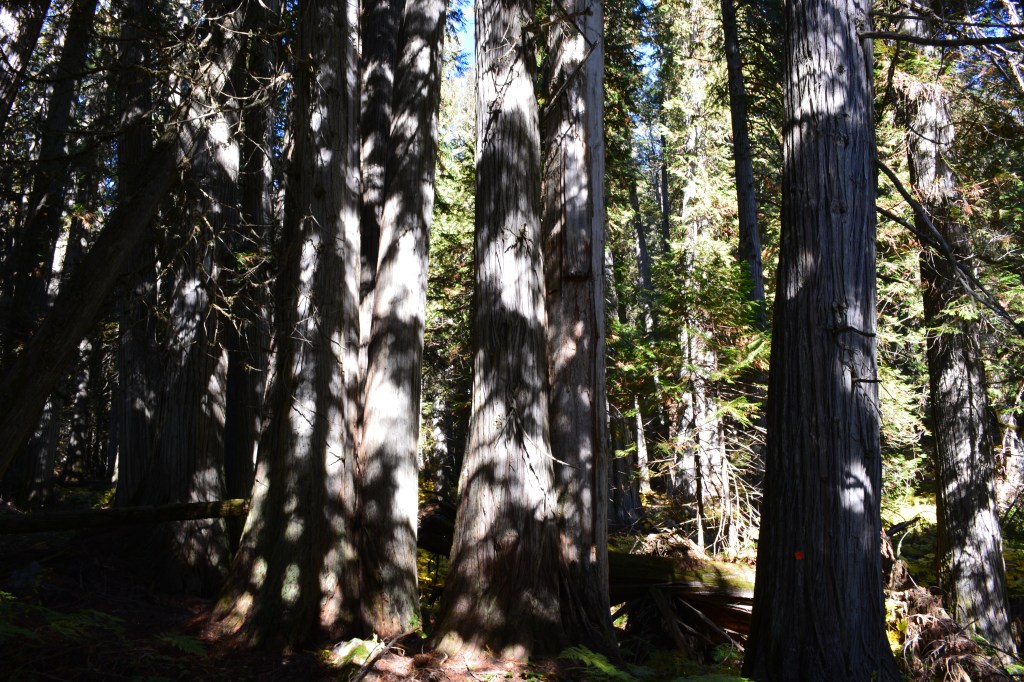
I’ve returned from a short birthday “vacation,” full of waterfalls, cedars, and lakes. Although side effects from my current chemo regime afflicted me, Rod and I were able to enjoy the peaceful days together (except maybe the part where I took us up a daunting service road in our tiny civic to see a cedar grove. I think the adrenaline of the drive added to our eventual enjoyment. Also, not the first time I’ve taken civics on such inadvisable drives).

I’ve been reading John O’Donohue’s Anam Cara (a Celtic word, meaning soul friend). Early on, he introduces the idea that the soul holds the body within it, rather than the soul being an entity within the body [Amazingly, when I asked Rod where his soul was, he said everywhere! For me, this was a bit of a revelation]. I loved the practice he offers of breathing in the soul, feeling the relationships I share with all that is around me, and how nourishing–maybe even healing–this is.

Beyond all else, I am immensely grateful for my friends and community. The walks and chats I’ve had with you have been so invigorating, and kept my optimism alive. Reading books, taking courses and doing workshops with you has fed my soul. The peaceful and reflective times where we’ve merely just soaked in each other’s presence has been nourishing. Your gifts of company, conversation, care giving, food, money, art and books [if you’ve lent me books, I will get them back to you, promise] have all been so appreciated. I keep many of these gifts in my living room with me so I am regularly reminded of you. Thank you thank you thank you!

In this exercise of gratitude, I am also extending these words to myself and to my more-than-human companions (the saskatoon bushes, the strawberry plants, the bluff and its grasses, the rivers, the squirrels…). I realize how fortunate I have been to find great friends in myself and in the landscapes, for with these friends I am never alone.

I am not hosting a gathering this year for my birthday, I have tried to schedule various one-on-one hangouts instead. Last year’s gathering–in the days before my liver and colon surgery–was hosted in appreciation of all that you’ve done for me. Although there’s no formal gathering this year, I just want to send everyone a big hug of gratitude, some nice pictures, and these closing words by John O’Donohue:

“A Friendship Blessing

May you be blessed with good friends.
May you learn to be a good friend to yourself.
May you be able to journey to that place in your soul where there is great love, warmth, feeling, and forgiveness.

May this change you.
May it transfigure that which is negative, distant, or cold in you.
May you be brought in to the real passion, kinship, and affinity of belonging.

May you treasure your friends.
May you be good to them and may you be there for them; may they bring you all the blessings, challenges, truth, and light that you need for your journey.

May you never be isolated.
May you always be in the gentle nest of belonging with your anam ċara.”

― John O’Donohue

Give Me Dust

By Kat Dornian

Give me dust
Give me soil
Give me grubby knees
grass stains
and bruises
Give me sand in my hair
and bugs on my shirt
Fruit flies
butterflies
ladybugs and ants
The caterpillars falling from trees
The bumbles and buzzes of bees
Give me berries
to dry in my pocket
Give me rose hips
fresh peas
and oak leaves
Leave an acorn
a half-chewed cherry
a sunflower seed
Leave a feather
and give me a song
call the crickets
nocturnal cats
and chirpy bats
Give me the full moon
the blue moon
and the harvest moon
Give me clouds
when I’m out
Sunshine
when I’m in
Give me rain
and snow
and long nights
filled with stars
Give me wool
and warmth
and a cup of tea
from fallen leaves
And when it melts
Give me dust


This poem carries a lot of the same rhythm as Lemm Sissay’s “Some Things I Like” from his book Listener. Why is that? Well, I’ve been memorizing that poem because a poetry video I watched recommended memorizing a poem or two. I repeat the poem multiple times a day as I’m working on storing it, so when this call for dust came to me, the rest of the poem unfolded in the familiar rhythm.

Let me know what you think. What does “Give Me Dust” evoke or bring up for you?

Surgery

I had surgery on October 14th. The surgeons removed the tumors in my colon and from the left side of my liver. Recovery has been slow and challenging: Tubes, pokes, and hospital misadventures.

So many tubes. Tubes that send pain relief through my spine, one that carries out urine, another that drains my stomach, a tube for oxygen, tubes delivering nutrition and a tube for medicine. These tubes have stuck around for days and days. Most are gone now, but not all. I make the same joke to the nurses: I’m a meatball in spaghetti.

I’ve been poked with needles so many times. Every night another draw of blood. I have small veins that reject the use of IV tubes. For every new IV placement, there are probably three probing needles. Yikes. The bloody dots mark my arms and hands like constellations. I can count seven dots, forming what may be a dolphin with a ball.

I’ve been in the weirdest sectors of the hospital. Driven into what felt like a closet in the basement where they drained litres of fluid from my lung and belly. Where I nearly held my breath as I stared at shelves of various N95 masks and wondered what was going on.

More adventures to come but I’m almost out.

Exploration

I was in a very different place three months ago. The shifts and changes over this time surprise me. Some expectations unmet, and some exceeded. I find myself in new territory and navigating with determination on my way.

Over the last few months, I have met more and more cancer survivors—seeing the incredible variety of forms this generic term “cancer” contains. The treatments are just as vast and remarkably progressing in their effectiveness. Although we forge different courses on the proverbial map, I see how mine is shaped by those who’ve travelled before me. I think of the leaders of cancer organizations, often cancer survivors themselves, and of donors and researchers who contribute to the journey. Much support and research flourishes, and I’m thankful my path benefits from this growth of understanding.

The tumours in my colon and liver have come exceptionally down in size since starting chemotherapy three months ago. The path set by my medical team has indeed been a good one. Granted, it leaves me fatigued, sensitive to cold, and nauseous. Still, I have visions of a future where there’ll be treatments less brutal as well as more early detection in young people like myself. This journey is tiring indeed. I will continue to chart forward, continuing chemo for a bit longer, and then a high chance of surgery in a couple months.

I have a fantastic support community and a lovely psychologist with cancer expertise. The effects on my mental health are some of the most difficult to navigate. Not having the straightforward tasks of a job make some days feel bleak, but small projects are helping uplift me in that regard. I find myself dreaming more, laughing more, and reminding myself of the value of doing small acts.

That said, the shortening days and colder air have brought on a particular sorrow. The grey of the sky drones with the grey of grief in my spirit. I try to light my candle for brightness, but its light is small and untrained for this ordeal. Although there is much to hope for in my progress so far, cancer is a nebulous threat that looms with fierce uncertainty. I return to the present moment often—the flickering candle and my steady breath—but cancer sits ominously near… and within. It feels heavy, but I am getting to know it better. I imagine my community in my body, clearing the misguided cells and setting them down a river. Healing. This is the best way I’ve found to approach my cancer. I’ve found little gratitude or warmth for it. Do I need to? Who knows what the future will bring.

When I look back at the beginning of this trek, I remember the pervading feeling of guilt. So. Much. Guilt. It manifested in my angry reaction to questions about causes. I’d felt this was my doing and felt the reason was my mistake. That’s the story I’d heard in my life. To avoid cancer, you must exercise, eat greens, avoid red meat, limit alcohol, cut sugar, live in alignment, live in balance, and so forth. And even though I did my best (most of the time), here I am. I wish I’d been more firm with doctors when my concerns were being written off… but perhaps I was scared myself. I find forgiveness. I release the guilt. Some days it is more challenging than others, but when I look back at the path I travelled, I see the burial mounds where guilt was shed. I’m doing better now. I hope others know they can ask for more from doctors, and I hope others know that life plays out as chaotically as the stars overhead and cancer follows these same rules. Whether you did everything right or everything wrong, there is always a chance that the path ahead will be more treacherous than anticipated. We will never dominate the natural world. So, I’m learning how to live with it beyond the longing to control what scares me.

My gratitude for a life well-lived has come to my aid many times. Over the worst parts, I lean on the strengths I’ve gained to ease the turmoil and remind myself how to move forward. Gratitude is definitely one of my strengths, and thank goodness. I know the coming months and years will continue to put me to the test. I learn, and I grow as I go. And keep living well.