December had been coming to a close with a glow of optimism. In the final weeks of 2024, I had a CT and MRI scan. I expected good results, given that September’s tests showed an excellent response to the new drugs I was on. My continued skin problems should have been a sign that the drugs were working on my tumours as much as they were irritating my skin. As you might detect in my wording here, the scans were not great, but not terrible. Heck, maybe they’re better than I’m giving them credit for. The lesions in my liver remain the same size as they were in September, which means I probably won’t qualify for surgery and that I may need to move onto another treatment path (or not) yet again. This isn’t uncommon, but it still sucks. In particular, the ongoing uncertainty sucks.
With this news, the new year didn’t have the “turning a new page” glow that I often experience around this time.
After ringing in two new years while on chemo and having been in treatment for so long, the fascination with it all–which gave some excitement to the otherwise horrendous experience–has largely faded into the dull hum of life. (This is part of the reason I don’t post as much anymore). I’ve gotten so much bloodwork and so many scans that they all feel mundane. One pathetic highlight of the last year was finding free parking near the hospital, which also provides a rather scenic and peaceful walk before appointments.
It feels like I’ll be on this journey forever, and I don’t know what that means or looks like.
Although uncertainty about the future is a fact of all our lives, going into 2024 feels like a particularly unwelcome point of uncertainty for me. I still look forward to the fruition of some projects, but I worry about my ability to be fully present. I expect myself to be the person I was before diagnosis, which just isn’t the case anymore. I have chosen projects that give me the flexibility and accommodations I need. Still, I remember when prioritizing flexible work hours and modes of work was less important. Navigating my abilities and limitations makes everything more complicated.
I try to find grounding, joy, and hope, but sometimes the ominous grey clouds do not clear as readily.
I am frustrated by the slow pace at which I operate. For one, treatments put me out for a few days, followed by a few more slow days as I recover my energy. I have so many healthcare appointments to manage. My mental ability is hit or miss; I find myself forgetting a lot more and finding it hard to focus for extended periods of time. I lose words. I become overwhelmed with how best to take care of myself. I worry about people noticing my difficulty forming and expressing coherent thoughts.
I’m practicing several ways to cope, and I am grateful for a younger version of myself who developed many healthy strategies.
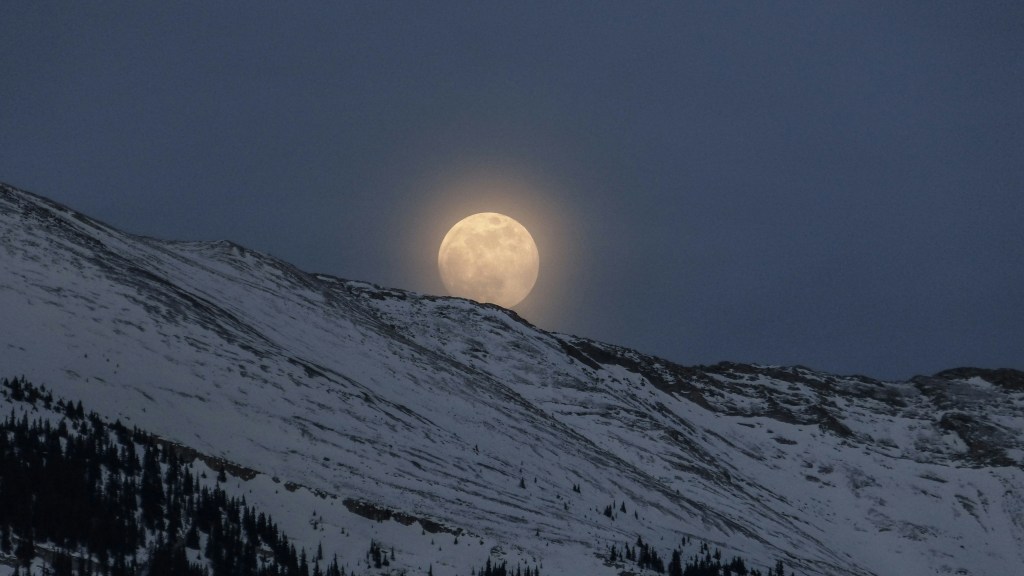
Of all the healthy routines I’ve practiced, I’ve always struggled with enjoying the present moment. A moment can be a fraction of a second or extend over millennia. The past and future press into even the most minuscule moment, shaping it. I can’t divorce the history of my body and surroundings from the millisecond I reside in, the present. Likewise, although in a more obscured way, I am aware of the buzzing of the future that my body enters and builds from this moment. For these reasons, I struggle to find presence.
Is the present a tiny speck in the universe of time? By the time I register what my senses perceive, the present is past, and I am catapulted against the portal to the future.
I am working on being present. That’s the most sure thing I can lay down for 2024. I don’t know where my health journey will take me, but the projects I’m working on are full of possibilities, and I look forward to them taking their shape. For me, I’ll be sitting in the present each day and trying to sense its fullness. Maybe this year, I’ll find it.
 Kat Dornian