It’s colorectal cancer awareness month. I haven’t “celebrated” this month in the past as I’ve been dealing with resentment and anger that held me back from believing anything could be done. But I’ve done a lot of work and feel ready to share my journey in hopes that it may help others.
My most significant barrier in this journey was getting the testing I needed. I want to encourage people, especially young people, to advocate for themselves when they have symptoms. Symptoms of colorectal cancer include unusual bowel habits, blood in stool, abdominal pain, fatigue, and unexplained weight loss (among others: https://cancer.ca/en/cancer-information/cancer-types/colorectal/signs-and-symptoms).
My first symptom was blood in my stool. I brought this concern to my family doctor who told me it was hemorrhoids without any assessment. Still concerned, I went to two walk-in clinics, but they said they were unable to order tests as I’d need follow-up that they couldn’t provide and repeated that it was probably just hemorrhoids anyway given my age and good health. I switched family doctors. My new doctor seemed unconcerned about my symptoms, repeating that I was young and healthy. In 2020, I had an episode of such painful abdominal cramps that I went to emergency. The doctor there told me it was menstrual cramps and menstrual bleeding; as a 34-year-old with ample experience of both, I knew this wasn’t the case, but because of Covid, I had no one with me to deny this, and I was in too much pain at the time to speak up. I followed up with my family doctor and was referred for a colonoscopy; I was put on the non-urgent list.
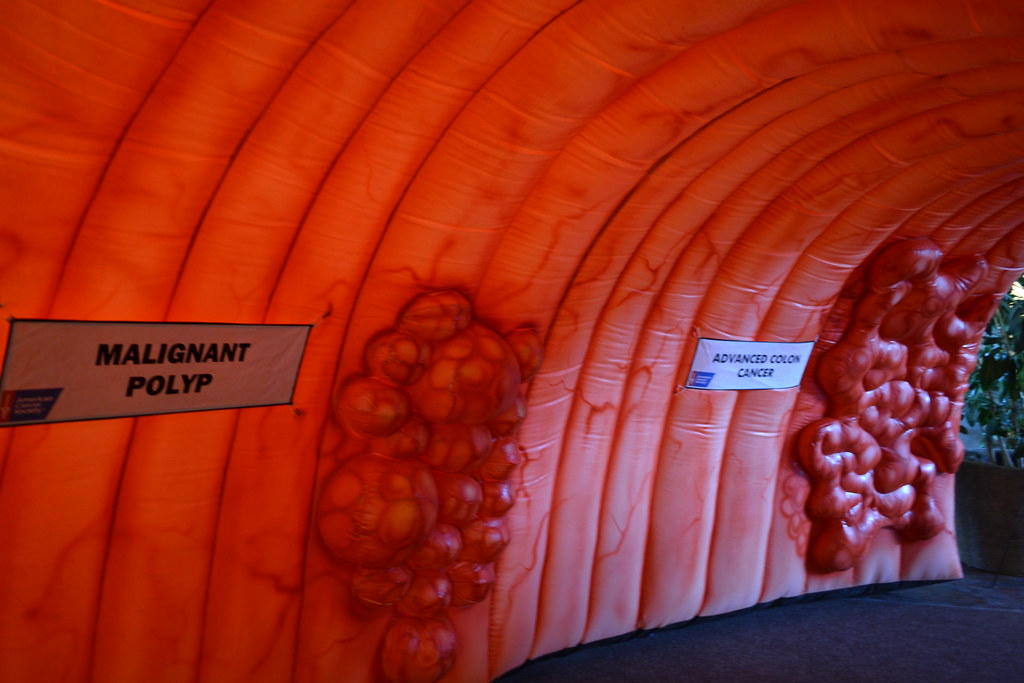
What is described above, unfortunately, is all too common of a story for young people. By the summer of 2021, I felt sick constantly, had trouble eating, experienced poor bowel habits, and always felt exhausted. I went to the emergency again and was told I had to pick one thing that was bothering me, which at the time was my chest (it turned out the metastasis in my liver was pushing on my lungs and causing pain). The x-ray showed spots on my liver. They didn’t say cancer, but I knew this wasn’t good. My family doctor followed up the next day and changed my colonoscopy order to urgent. And that’s how this whole journey began.
I do not want other people to go through this. If I could make one suggestion that would have helped me, it would be to bring people with you to appointments! Tell your supporter what concerns you and ask for their help pushing back. I’ve been a very independent person for much of my life, but I found it difficult when I was in pain to speak up. Not only that, but it was hard for me to admit that something could be wrong despite knowing that early cancer detection leads to better outcomes.
One thing that constantly tripped me up was being “healthy.” I can’t count the number of times doctors would ask me, “Are you healthy?” What does that even mean? I’ve placed a high value on health since I was a teenager. Being a competitive swimmer, outdoorsy person, and diabetic made me learn how to take care of myself. Sure, I sometimes went too far, but I’ve always prided myself on healthy habits. It was this pride that ultimately made me believe doctors when they assured me that someone healthy like me wouldn’t have something like cancer! Since then, I’ve discovered lots of healthy people get cancer: marathon runners, weight lifters, and regular people with great routines. There are many pathways and variations to colon cancer and any cancer.
I have heard friends say that they don’t see a point in being healthy if someone like me could get cancer. Well, here’s the thing: I value having the healthy habits I had before cancer. It took me a long time (42 months at least) to overcome my resentment, but here I am. For one, my healthy habits brought me benefits as I practiced them (joy, self-discovery, better emotional regulation, great poops, better blood sugar management, etc). For two, it’s been easy for me to continue these habits through treatment, which has been helpful. And for three, I believe some of my recovery and stability can be attributed to these habits.
For me, healthy habits include
- Maintaining a strong social network. I love my book clubs, writing groups, friend circles, and one-on-one hangs. This has become vital as I navigate cancer, yet the work I did throughout my 20s and the people who reciprocated have proven invaluable in my support network. As social media and smartphones make loneliness all the more pervasive, it is critical that we put in the effort to maintain in-person connections as much as we can.
- Paying attention to stress. I started a serious meditation practice around 2017. It helped me move slower and be more aware of my feelings. At the same time, I started seeing a CBT psychologist who helped me look for stress warning signs and practice emotional regulation. I’m grateful to my mom, who modelled work-life balance. Although I’m a real go-getter, I have always tried to keep work to 8 hours a day. However, my enthusiasm for life and fear of boredom cause some overcommitment issues, which I’m working on.
- Exercising! Exercise is one of my favourite things. I love how it makes me feel, positively affects my mood, and helps me control my blood sugar. I love going for morning jogs and discovering the places where I am (I have seen wildlife like armadillos, storks, deer, and so much more)! Morning jogs let me catch beautiful sunsets and capture the most serene moment of the day. Swimming allowed me time for quiet reflection and focus. I’ve been lucky to have wonderful ways to get to work that bring me through forests and along rivers, even if they take a bit longer.
- Eating whole foods. I’ve always loved cooking from scratch. I love playing with flavours and how satisfying a home-cooked meal is. I used to indulge in much more cake and candy than I do now. And I feel a lot better cutting back on those things. My tummy is a lot happier, and my energy is even. I’m hopeful my high-probiotic, high-fibre diet pre-cancer—and a bit of luck—helped my colon get back on track after surgery! Butt [sic[, you got to love your microbiomes.
- Taking care of my environment. Oddly, I never thought of this as a health measure. I care about the Earth, so I bought organic, local, and non-toxic products. Now that I have cancer, this comes up from time to time, and apparently what’s good for the Earth (low chemicals, low plastics, sustainable manufacturing practices) is also good for us! Go figure. It feels good to be doing something that helps the planet and us, and it’s nice that I don’t have to learn responsible purchasing habits from scratch.
- Living meaningfully. One thing that lifted my spirits more than anything at the time I was diagnosed was having felt I lived a good life. I chose meaningful work, made choices based on my values, strove to minimize harm, and helped where I could. I embraced life and kept an open mind to experiences, leading to a sense of fullness. Living meaningfully has made the fear of death unthinkable for me. Ever since my dad died, I have always wanted to go to sleep knowing that if I should die tomorrow, I’d have lived well.
- Sleeping has been the toughest thing for me. I’m still working on it, but I know it’s essential. I’ve always known sleep is important and aimed for the 7–8 hours a night, but I struggled in this hyper-lit and connected world. I have started dedicating more to a good sleep routine and love it. I feel like a regular routine and good sleep help me focus, but cancer treatment is also weird and zaps a lot of my energy. Still, I appreciate a good sleep routine.
- Having financial stability. This one is tough because there are so many factors that affect my financial well-being, such as my family history and support (plus a pretty good settlement after a car hit me), which I do recognize not everyone has. Still, learning good financial practices early in life, like becoming confident in budgeting and investing, has served me well and has made me less stressed in this cancer journey.
I’m sorry to say that these habits won’t definitely prevent cancer. But, I do think they have helped me survive through cancer. I have resented this, and I have resented that I didn’t get to undergo some miraculous lifestyle change that somehow reversed my cancer; I don’t even know if I believe that is possible without modern medicine.
Nonetheless, the benefits of healthy living are vast, and I’d encourage everyone to try out one or two this year. And advocate for testing!!!
 Kat Dornian